Shared resources. Two shop agents need databases, but they do not need two Postgres servers. Chambers share the server while giving each worker its own working database.
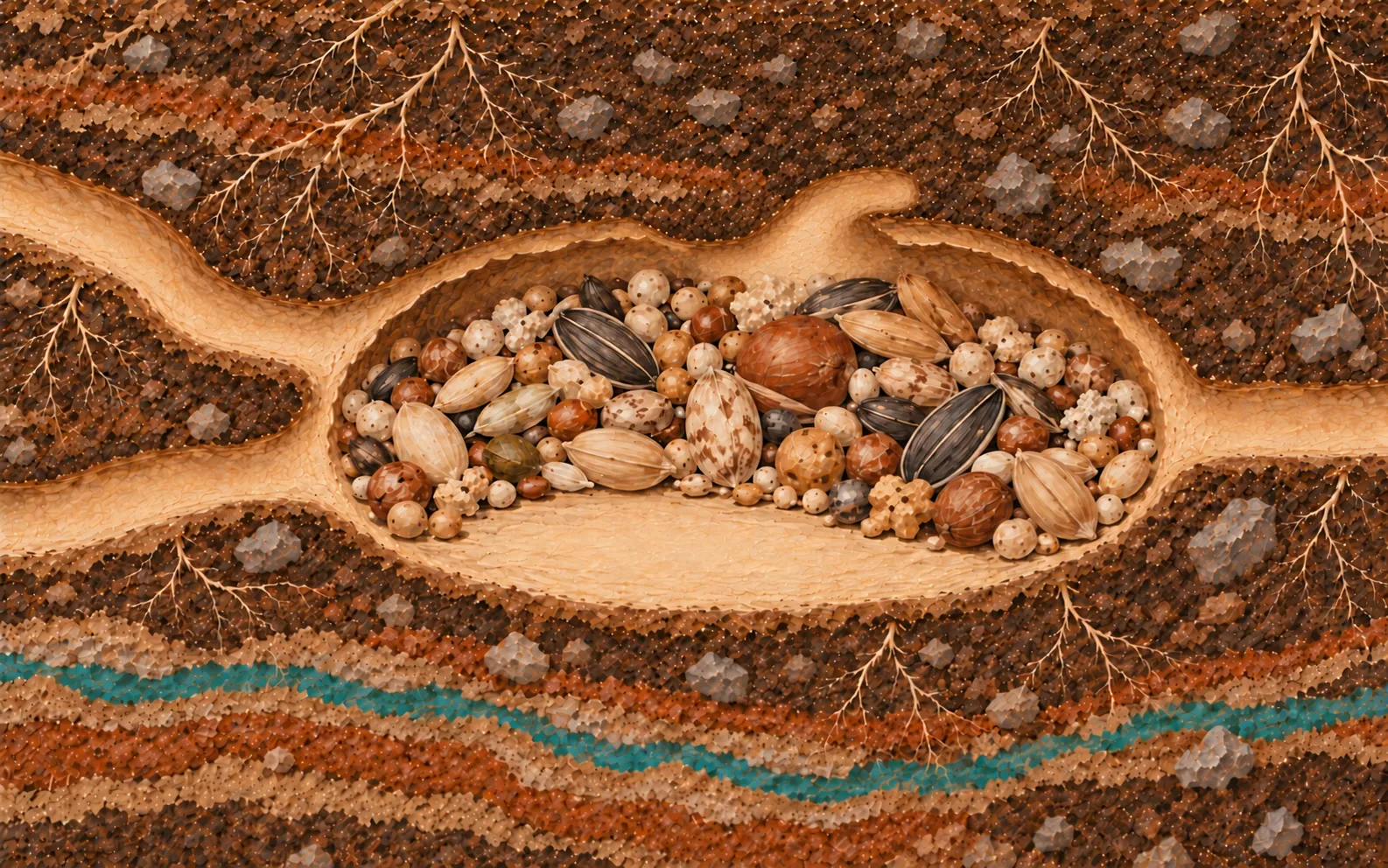
One store beneath the nest, with a separate room for each worker.
share the engine, separate the orders
Section titled “share the engine, separate the orders”The catalog worker and checkout worker use the same Postgres container. Each gets a different database, seeded with the same products. An order placed in one shop does not appear in the other. The database connection reaches the API through a private file; JSON shows a reference rather than the password.
You can explicitly share a seeded database when workers need the same mutable data. That choice shares writes too. A schema change belongs in a private fork so everyone else can keep working. Today, choose private databases up front or start a fresh private database from the seed (a fresh seeded fork, without current orders); copying a live database into a fork is not available yet.
a recipe for every resource
Section titled “a recipe for every resource”Chambers are moving to recipes: descriptions of how to start a resource, make a worker’s room, and check it. That will make the same pattern work for caches, object stores, and other services.
Today antil manages Postgres only. Recipes are coming. The shop shares Redis manually through Compose, with a separate key prefix for each worktree.
Tunnels connect apps to these resources. Seals will account for the environment a test used. All three rely on the foundation.
Give workers private Postgres databases · change a schema privately · share Redis today